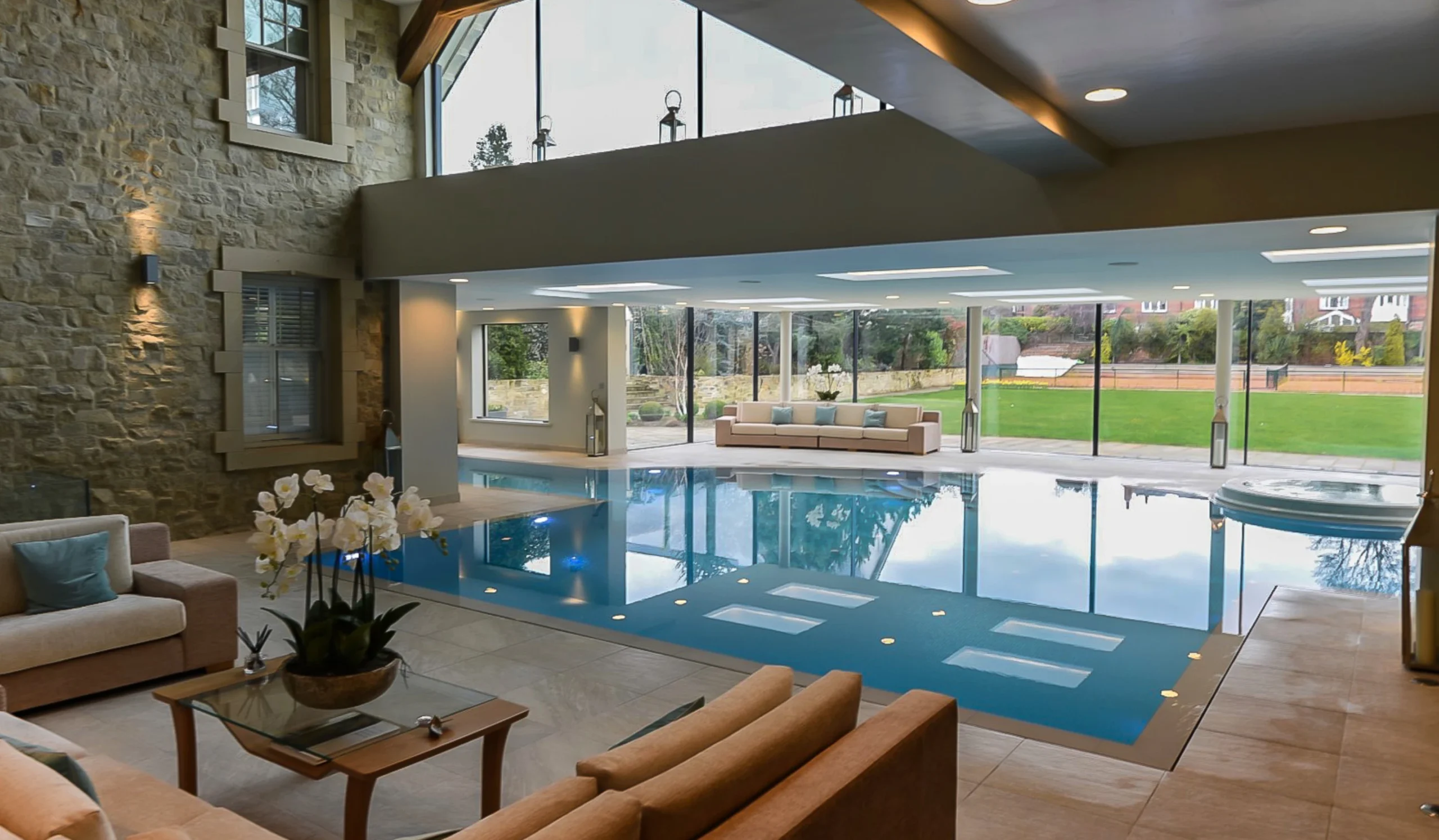
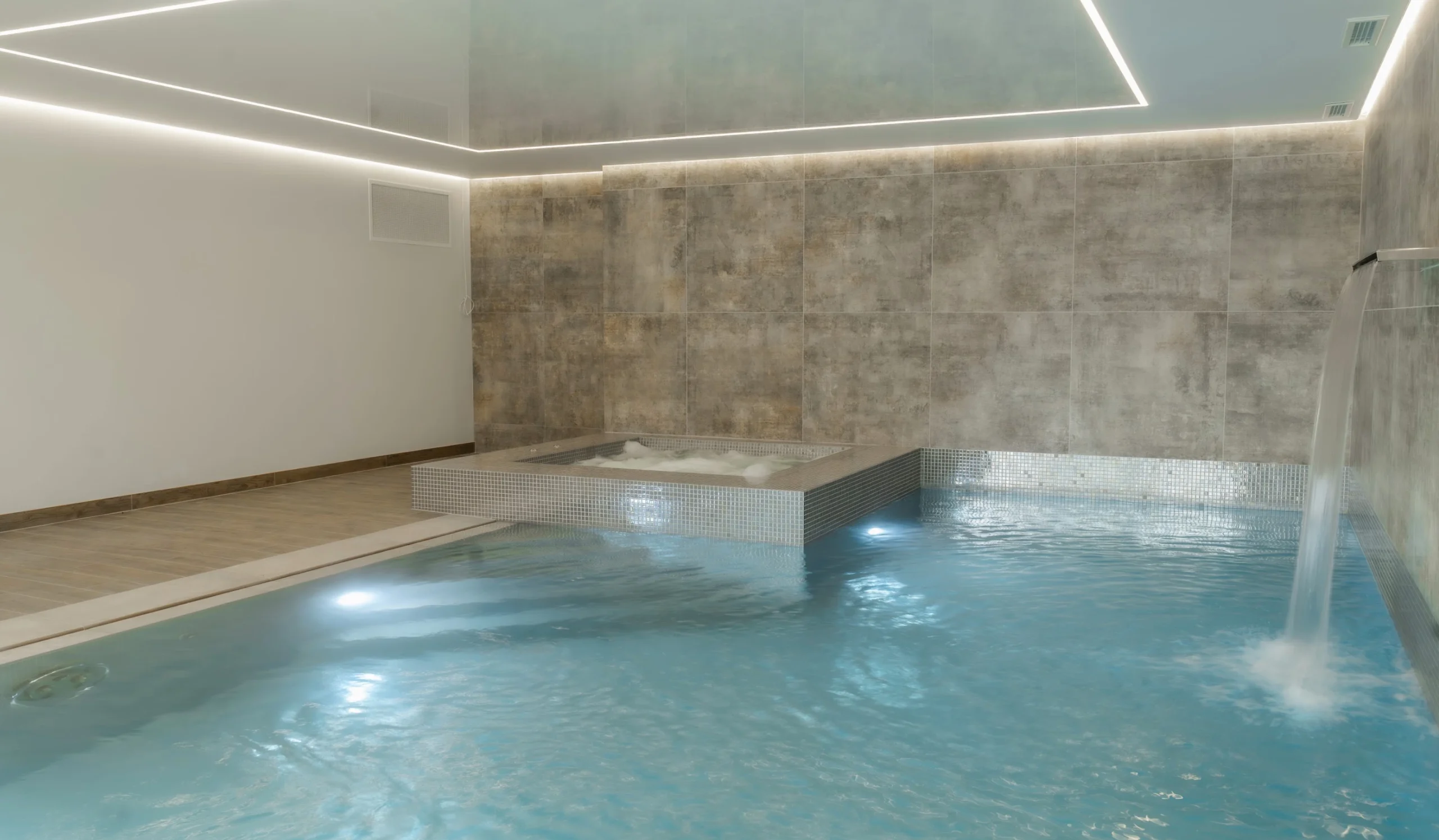
The main outdoor swimming pool heating options in the UK are solar heating, heat pumps, gas boilers, and pool covers used to retain warmth, each suited to different budgets, garden layouts and how often you want to swim outside the summer months. Most owners combine two or more methods, such as a heat pump with a cover, to get a longer swimming season without running one system flat out.
If you’re planning a new outdoor pool, or thinking about how to make better use of an existing one, it helps to understand what each heating method actually does before deciding what fits your garden and your swimming habits.
Why Heating Matters for an Outdoor Pool
A UK garden pool without any heating will typically only be comfortable to swim in during the warmest weeks of summer. Adding a heating method extends that window at both ends of the season, and in some setups allows swimming well into autumn or from earlier in spring. The right choice depends on how the pool is used, whether it’s for family swimming, relaxed evening dips, or more structured fitness swimming, and how much you want to spend on running costs versus upfront installation.
If you’re considering an outdoor pool as part of a wider garden project, it’s worth looking at this alongside broader design choices, including how the pool sits within the garden and whether features like water features or a spa area will also need their own heating consideration. Our swimming pool construction process covers heating alongside design and build from the outset, rather than treating it as an afterthought.
The Main Heating Methods Compared
Each method has its own strengths, and the right one (or combination) depends on your priorities.
| Heating method | How it works | Best suited to | Running cost consideration |
|---|---|---|---|
| Solar heating | Uses solar panels or matting to warm water as it circulates | Owners wanting a lower running cost and happy with weather-dependent results | Low, but output varies with sunshine |
| Heat pump | Extracts heat from the surrounding air and transfers it to the pool water | Owners wanting consistent, controllable heating across the season | Moderate, generally efficient for the heat it produces |
| Gas boiler | Heats water directly and quickly using a gas-fired system | Owners who want fast heat-up times, such as before a swim | Higher, particularly if run for long periods |
| Pool cover | Reduces heat loss and evaporation overnight or when the pool isn’t in use | Almost every pool, as a support to whichever heating method is chosen | Low, and reduces the running cost of other methods |
Many owners find that a heat pump paired with a cover offers the best balance of consistent heat and manageable running costs, while solar heating suits those who mainly swim during summer and want to avoid ongoing energy costs altogether.

Matching Heating to How You Use the Pool
How you plan to use the pool should guide the decision as much as budget does. A pool used mainly for relaxed family swimming in summer may only need a cover and perhaps solar heating. A pool intended for regular fitness swimming or year-round use is more likely to benefit from a heat pump, since it offers more predictable water temperatures whatever the outside weather is doing.
If fitness or year-round swimming is the goal, it’s also worth considering whether a dedicated lap and fitness pools design, which is often built with more consistent heating and circulation in mind, might suit your needs better than a standard leisure pool with heating added on afterwards.
Garden Layout and Practical Considerations
Where heating equipment sits in the garden matters. Heat pumps and boilers need space, ventilation, and reasonably easy access for servicing, so they’re often planned in alongside other plant equipment rather than added later. Solar heating needs a suitable roof or ground area with good sun exposure, which isn’t always available depending on garden orientation and nearby buildings or planting.
This is one reason heating is best considered early in the design stage of an infinity pool UK or any other outdoor pool project, rather than retrofitted once the pool and surrounding landscaping are finished. Retrofitting is usually possible, but it can mean disturbing paving, decking or planting that’s already in place.
Running Costs and Budgeting
Running costs vary considerably depending on the heating method, how large the pool is, how well insulated it is with a cover, and how many months of the year it’s heated. Rather than quoting figures that can quickly become outdated, it’s more useful to think in relative terms: solar tends to be the lowest ongoing cost, heat pumps sit in the middle and are generally efficient for the output they provide, and gas boilers tend to cost more to run for extended periods, though they heat water faster.
For a clearer picture of what heating and other elements typically add to a project, our swimming pool cost UK page covers the main factors that influence overall pool costs, including heating choices.
Can you use more than one heating method on the same pool?
Yes, many outdoor pools combine methods, such as a heat pump for consistent heating with a cover to reduce heat loss overnight, which can make the overall setup more efficient.
Does a pool cover really make a difference?
A cover reduces evaporation and heat loss when the pool isn’t in use, which in turn reduces the amount of work any heating system needs to do, so it’s generally considered a worthwhile addition regardless of which heating method is chosen.
Is solar heating enough on its own in the UK?
Solar heating can extend the usable season for many pools, but because it depends on sunshine, it’s less predictable than a heat pump or boiler, so it suits owners who mainly swim in summer and are comfortable with some variation in water temperature.
Can heating be added to an existing outdoor pool?
In most cases yes, though the practicality depends on the pool’s current setup, available space for equipment, and how much disruption to existing landscaping is acceptable.
Does the heating method affect the pool’s design?
It can. Equipment needs space and access, and some methods suit certain garden layouts better than others, which is why heating is best discussed during the design stage rather than after the pool is built.
Getting the Right Heating for Your Garden Pool
Choosing the right outdoor swimming pool heating option comes down to how you’ll use the pool, your garden’s layout, and how much you want to spend on running costs versus upfront installation. Getting this right from the design stage, rather than adding it later, tends to give the best long-term result.
If you’re planning an outdoor pool and want advice tailored to your garden and swimming habits, get in touch with Preston Pools, luxury swimming pool builders serving Cheshire, Lancashire and Manchester, to talk through the options for your project.