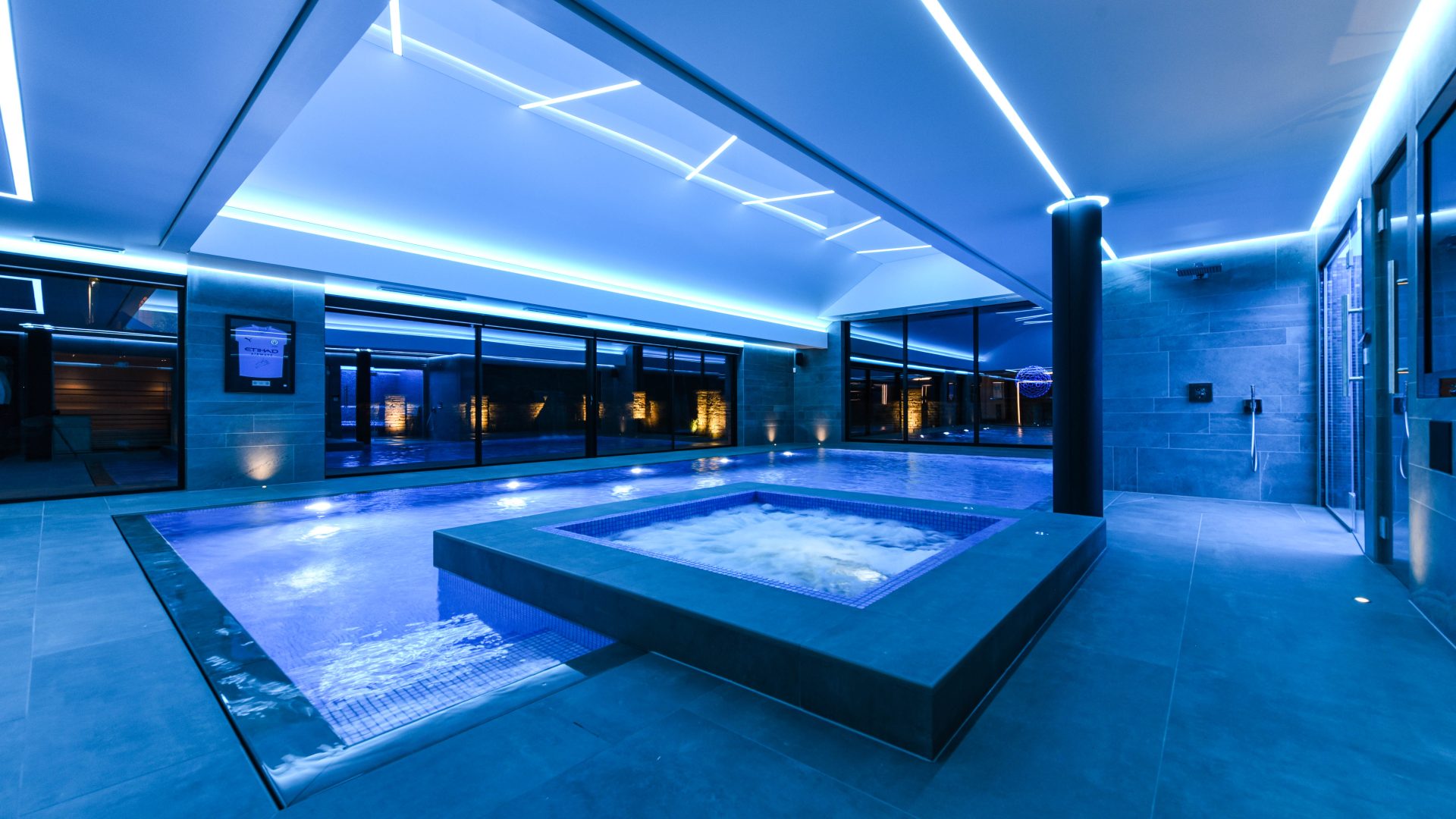
It is one of the first questions every client asks, and it deserves a straight answer. The honest one is: it depends on what you are building, where, and how well the project is planned.
Here is how the timeline really breaks down, phase by phase, and what makes the difference between a smooth build and a slow one.
The short answer
A straightforward outdoor pool is typically a matter of months from breaking ground to swimming. An indoor or basement pool is a bigger undertaking… it is a construction project within your home, and the timeline reflects that. Bespoke features, complex ground conditions and planning requirements all add time.
What matters more than the headline number is that every week is planned before the diggers arrive.
Phase 1: design and planning
The part most people underestimate. Surveys, structural design, engineering calculations, and planning permission where it is needed. For indoor pools, this stage also covers ventilation, humidity control and how the pool hall integrates with the rest of the house.
Time spent here is never wasted. A fully resolved design is the single biggest factor in keeping the build itself on schedule. Rushing this stage is how projects drift later.
Phase 2: groundworks and structure
Excavation, steelwork and the concrete shell. Weather plays a part outdoors, and ground conditions matter everywhere… rock, high water tables or restricted access all change the pace.
The shell then needs time to cure properly. This is one of those stages that simply cannot be hurried, and a builder who tries to shortcut it is storing up problems for you.
Phase 3: services and plant
Pipework, filtration, heating, dosing and controls. On indoor projects, this is also where air handling goes in. It is detailed, technical work, and it is where a quality builder earns their keep… a well-designed plant room is the difference between a pool that runs itself and one that fights you.
Phase 4: finishes
Tiling, coping, decking or surrounds, lighting, and the details that make the pool yours. Bespoke tiling and stonework take longer than standard finishes, and they are worth every day of it. This is the stage where the project stops looking like a building site and starts looking like the pictures.
Phase 5: commissioning and handover
Filling, balancing the water, testing every system, and walking you through how it all works. A proper handover includes aftercare… you should never be left alone with a manual and a wave goodbye.
What makes builds run late (and how we avoid it)
The usual culprits are decisions made too late, designs that change mid-build, and surprises underground that nobody surveyed for. All three are avoidable with a thorough design stage, honest surveying, and a build plan that is agreed before work starts.
That is exactly how we run projects. You can see how we structure every build, stage by stage, on our process page.
Planning your own timeline
If you want to be swimming by a particular season, work backwards. Summer swimmers should be talking to a builder in autumn or winter… it gives the design and planning stage the time it needs, and it means the build lands in the better weather.
Thinking about a pool and want a realistic timeline for your home and your site? Arrange a design consultation and we will map it out with you, honestly and to the week.


